
Blog

APT Peer Conversation Project: Maddie Bautista x Rebecca Vandevelde
As part of the APT Peer Conversation Project, Maddie Bautista meets with Rebecca Vandevelde (Production Manager at Buddies in Bad Times and founding member of Means of Production) to discuss alternatives to the standard production tech week schedule/timeline.
As part of the APT Peer Conversation Project, Maddie Bautista meets with Rebecca Vandevelde (Production Manager at Buddies in Bad Times and founding member of Means of Production) to discuss alternatives to the standard production tech week schedule/timeline.
What is the cost of a standard tech week? Physical + social.
Cost to herself:
Shift from freelance lifestyle to venue work lifestyle. Even before shifting schedules, she feels herself not blaming herself for being overbooked. This schedule is wrong, not me. THIS company booked too much hours and I am overworked, not because of the number of contracts that I take on.
Gig economy. Think “I made a bad choice”, even if you were forced to make a living this way
Work dictated everything about my life
The work schedule dictated MY schedule
The work is involved as PM, designer, crew, no room for anything else.
Freelancers don’t work project to project, we work tech week to tech week. Tech week becomes 80% of my year.
Putting everything on hold for tech week in the theatre, to her that puts her in scarcity mindset
Cannot function outside of executing your role and your job
You don’t care for yourself or consider needs as individual. Take out, Dirty laundry. Can’t see friends or family
Lived most of her life in non-life. No control over time and needs. Dealing with the most urgent problem.
Completely out of laundry. Stay up until 3AM to do laundry. Take out
Luckily, no dependents. Able to live this where because partner worked a different kind of job. Partner can take care.
Can’t be a person, just a worker.
It doesn’t matter how much you love your job or how positive it is, Eliminates anything outside of that room happening.
The pandemic with jobs stopping was an identity crisis apart from a job crisis. Who am I?
We HAVE to find a better way to do this. I wasn’t going to go back.
Have a personality that wasn’t your job, have interests.
How does this translate to industry and community?
Everyone’s work is sloppier
Everyone has LESS time to dedicate to a project
The more time you give a project, the more it can blossom
Rested people make better work
Are the people making the art okay? More than artistic excellence and rigour, though it is important.
Job is to work towards that with them, but workers NEED to be okay
Industry-wide, if EVERYONE lives that kind of life, then we have an industry ot exhausted people who can’t do their best who are living this lifestyle. It’s expected that you sacrifice.
Perpetuating a work culture that prioritizes artistic excellence than personal well-being
If your values need to put work first, then you make less brilliant work when you are exhausted. People who are paid well and get their needs met make better work and are less likely to be injured, sick, can take on additional favours and work for other projects. If you’re not overworked you can take on a mentee. You have room to do outreach.
Imagine if artists and technical workers took on mentees not because they have too much on their hands, but because they had the capacity and energy to give to their mentees
What was your path to find an alternative?
Biggest restriction is access to space, if we can spread out access to space, we can do this better.
Started chatting with other PMs and TDs. Folks who eventually became Means of Production have been meeting casually since 2018. Started meeting weekly in April 2020. All out of work. When things start up again, what do we want to do better?
Small informal survey before pandemic, how much are you making? What are the expectations on you? Are you able to meet your needs?
It is not surprising we are all underworked and underpaid.
PMs and TDs face A LOT of unique challenges cause of scope of role. It’s nebulous and misunderstood and defined project by project.
Small group of people that did freelance and production work for indie. We started talking.
Hosted town halls and panels. Pooling resources. Drafting mock rehearsal scheds and tech weeks. Contract initiation. Invited producers to pool knowledge on alternatives to tech weeks. Partnered with Why Not and GCTC. Access to an actual show they had done in the season. Access to schedule, budget, and parameters.
Rewrote the schedule and costed the schedule out.
Took proposals back to company who had done the show: what would the show look like if you did it this way?
An exercise to come up with alternatives
Version where we are working within the same conditions of CTA and ITA, and a blue skies version.
While working with Means of P, Buddies was going through transformation. Steph Raposo and Jac Costa were doing different versions of fundraisers and Pride, started developing a scheduling template and proposed it to Daniel Carter. And Daniel said yes, let’s try it.
When Rebecca started working at Buddies at Jan 2022, a similar thing was being implemented already at Buddies.
Let’s try it this way. Testing it out this season.
What are alternatives to the standard tech week?
Biggest shift. Steph and Jac proposed that Buddies do one fewer show per season. And every season gets to have an extra week. From first day of load-in to strike is now a 5-week period. Adjustments made to a season schedule to make it work. Previous show closes Sunday night. Monday dark. Tuesday strikes. Wednesday riser turnaround. Thursday, load-in for new show. There is a buffer week in the middle where they can strike and start load-in. For the first day of rehearsal, they’ve started load-in. Second week can do levels and even have cast on deck depending on build. Q2Q beginning of week 3, and sometimes the end of week 3, we can do runs (tech, dress). Adding a week for each project that doesn’t get added to the run.
The First Stone was 3rd show that was own production. They have done 2 festivals under this model. Template we start with and customize from there. White Girls in Moccasins, there was more room cuz first project coming into space. Easier to try this alternative because with manidoons collective and had a values alignment and the consequences. Longer time for designers and cast. Cost with space for venue, artist fees for collectives and producers. Everyone who is NOT on a weekly contract, there is a question, are you paying for another week or same hours stretched out. Challenges for designers who have booked another contract.
Cast of WGIM didn’t want a longer day, can do notes and share with cast the rehearsal day.
Two house technicians instead of one. What this makes possible is it’s much quicker to do notes with house crew instead of secondary crew in the morning with the company.
What changes do you observe when doing things differently?
The biggest non quantitative shift is prioritizing wellbeing. It changes the working culture. Different relationship with each other and the work. Example, having two house technicians and knowing that they know their safety and health is a priority, they’ve been able to say, there is something important on this day, can I sub someone in? I can say yes because there’s another house technician who knows what is going on.
House technicians can take a day off even if they have long hours. They can have plans in the evening or morning.
People are able to make choices with what is safe or good for them.
People are able to say, i need to work remote, i have caretaking responsibilities. That’s fine, we can shift things around because we have time and resources to shift.
It’s about the schedule, but also not, the sched is a manifestation of putting people first.
It fosters prioritizing being okay.
“Don’t want anyone to be harmed by the telling of this story” – Yolanda Bonnell.
Diet is different cause schedule is different
There are consequences that are unresolved.
Finally sorting receipts.
People need to be budgeting for the increased cost of stuff, to pay people a living wage (rising) and time for people to do your job.
$10,000.00 transportation budget, everyone has a mobility need. It got approved!
Accessibility workshops through MoP
Share MoP’s resources. Resources made from the producer x PM workshop.
Buddies can do it one fewer show a year. One less show gets support.
Want to make sure that as long as we are mentioning it’s possible because Steph and Jac wanted to do something different and Daniel said let’s try it. Instead of waiting to see whether it could happen. Say yes right away and figure out as we go. Don’t know if would have been possible in any other institution as Buddies was in the middle of transformation in a lot of levels. Investing in human development in the staff there, not just the professional development. Being able to walk into the job and the groundwork was there. Rebecca was able to experiment.
CARE AS A PRODUCTION WORKER
Still figuring out
Snack bentos with healthy foods
Working from home, making choices about “what is fastest.” Trick self into feeling like being cared for. The more I was willing to treat myself like a toddler, the more I could act like an adult in day to day life. Look at yourself as a parent taking care of a toddler.
Stretches, bubblebaths downtime, more meal prep. Would like more of this.
Develop a dislike of working into the night/evening, because I feel like I am cheated out of my evening. Not a crew call or preview, but paperwork after a whole day of work.
Didn’t know that anxiety and ADHD was a problem until everything came to a full stop. Thought it was normal. Would have just kept going if not have been unemployed for two years.
Advice to newly grads of production programs: challenging because I have these bad habits. Went to class, had part-time jobs while going through school. Wish I did things that could be more possible at that time like travel, try different jobs. Let myself get taken advantage of by people who likely didn’t mean it, but didn’t give me a lot of money to get some experience. Refused completely unpaid work. Crew work instead of design opportunities is because I could not afford to work for free. Crew work doing hangs helped me learn more about lighting design.
Took assistant gigs.
I wish I believed this: there is no such thing as a career. You’re gonna like some of them, you’re gonna hate some of them. There are a million shows. Not every show is crucial. Most people you think you’re building a working with, may not reciprocate. Don’t put your life on hold. There are a lot of companies I have a great working relationship with now, relationship for 10 years, but did not provide me with a career. A hard time with a career in the arts. It’s project based. It’s easy to get locked down into a certain kind of thing because you’ve been asked to do it once. There’s no shame in not having a career and doing shifts when you feel like it. Don’t give up everything to get started.
The shortage of production workers – what is your take on this? Rebecca: I have big feelings about this. There is no such thing as a labour shortage ever, there are people who are trained, cared for, and compensated for a good fee. There are just people who are willing to work for the conditions you are offering. Not specific to our industry. Spent 2 years hoarding money and spending it on playwrights. Spending money on new work development. No one gave money to designers, craftspeople. Production managers who work gig to gig for long hours. For 2 years, there was no work or investment, so they moved to film. This labour shortage was created by companies that chose to invest in playwrights or essential artists only. It was difficult for freelance workers to get access to CERB. There was no work to be had even as we pivoted to digital. A lot of it was actors who were paid to act on Zoom with maybe a stage manager hired. Of course people got other work. We are dealing with now is a consequence in a choice that was made. No investment in production workers or designers. I don’t begrudge playwrights that money. They should be paid.
IATSE and ADC did great advocacy work.
There are people who left the industry and people who have learned their job for 2 years over Zoom who don’t have the practical experience. People graduating from production programs will go to film and TV because no one may hire them due to limited experience. Everyone is struggling to fill their crew calls. I’ve been overcrowded at Buddies. Everyone we paid to train in livestreaming last summer has gone to work in other places. We don’t have trouble filling calls.
Theatre Ontario’s PTTP – applied to it in 2011. Did 3 shows together. This was LOST.
ADC’s Assistant Mentorship Program.
Feeling pumped about Means of Production’s mentorship model where instead of having a Production Manager and Assistant, we have a Production Manager and a Production Supervisor. Mentee gets experience of being in charge, but the Production Supervisor make sure all paperwork is lined up, oversees, and is a resource to you and is committed to that project. Maya on Our Place at TPM in Cahoots. Setting everything up and then passing it off. First round of production schedule and first round of costing. Running the production meetings and the notes. Support of someone to back her up. Help more people become successful production staff without having to do a lot small shows for no money that might break you, just in order how to figure out to do our jobs. Glad its not a rite of passage anymore. Crystal Lee originator of this idea.
Now that we are out of the pandemic and busy again, it’s a struggle to connect with MoP as open. Structure of leadership is fluid to meet the needs of the membership. Things are allowed to stagnate. Most of the work is project based and led by the person most passionate about that project. Everything has a couple of people working on it. No centralized leadership structure. Move through projects at the speed that they are able to move them. Some things are able to be tangibly achieved (written report, applied to grant, hosted workshops) and some are on the backburner for a long while. Things go on pause as people work or go on tour. Pushing each other to keep showing up and doing the work. Understanding that the nature of our work is cyclical and get intense at times. Forgiving each other for missing out or needing to take breaks. Maintain that level of understanding while being able to achieve our goals. That means some of the goals are very long term by necessity. For 2nd half of the season, one of our members was hired to do all of our admin work. The problem is we are all too overbooked. A lot of project specific work is paid hourly. Some parts are not paid.
An organization can just choose to plan and give enough time and money to everyone by doing less stuff. There are good reasons to not make that choice. We all live under the tyranny of capitalism. Choices will be hard. There is no ethical artmaking under capitalism, but you can write a budget that includes more time and more season. You can plan a season with less stuff in it. Stuck in tyranny of topdown leadership of cramming too many things to do in a season. We don’t need to put up with it. Nothing can be done without your workers. This is big cliche but if the designers, technicians, actors don’t put up with it… There’s a lot more nuance in the real world, but you can just say no. If yuo’re working in the kind of room where that feedback is questioned (why 10/12s?), you should leave. This is a super simplified, idealized version of that. Don’t want to imply that people aren’t doing their best and hardest to survive, but Rebecca wonders if we are all feeling this and feeling tired and scared to say no? Who is on the other side of the conversation that we are scared of? Making the schedule, make the budget that reflect what we want. What are we up against? Have the funding bodies said no? Have we even asked? Did the AD say no? Why can’t we afford it?


APT Peer Conversation Project: Michelle Langille x Kat McCormack
As part of the APT Peer Conversation Project, Michelle Langille meets with Kat McCormack (Artistic Director, Eastern Front Theatre) in studio, to capture a podcast recording of their conversation about accessibility in theatrical contexts.
As part of the APT Peer Conversation Project, Michelle Langille meets with Kat McCormack (Artistic Director, Eastern Front Theatre) in studio, to capture a podcast recording of their conversation about accessibility in theatrical contexts.


APT Peer Conversation Project: Sehar Bhojani x Saba Akhtar
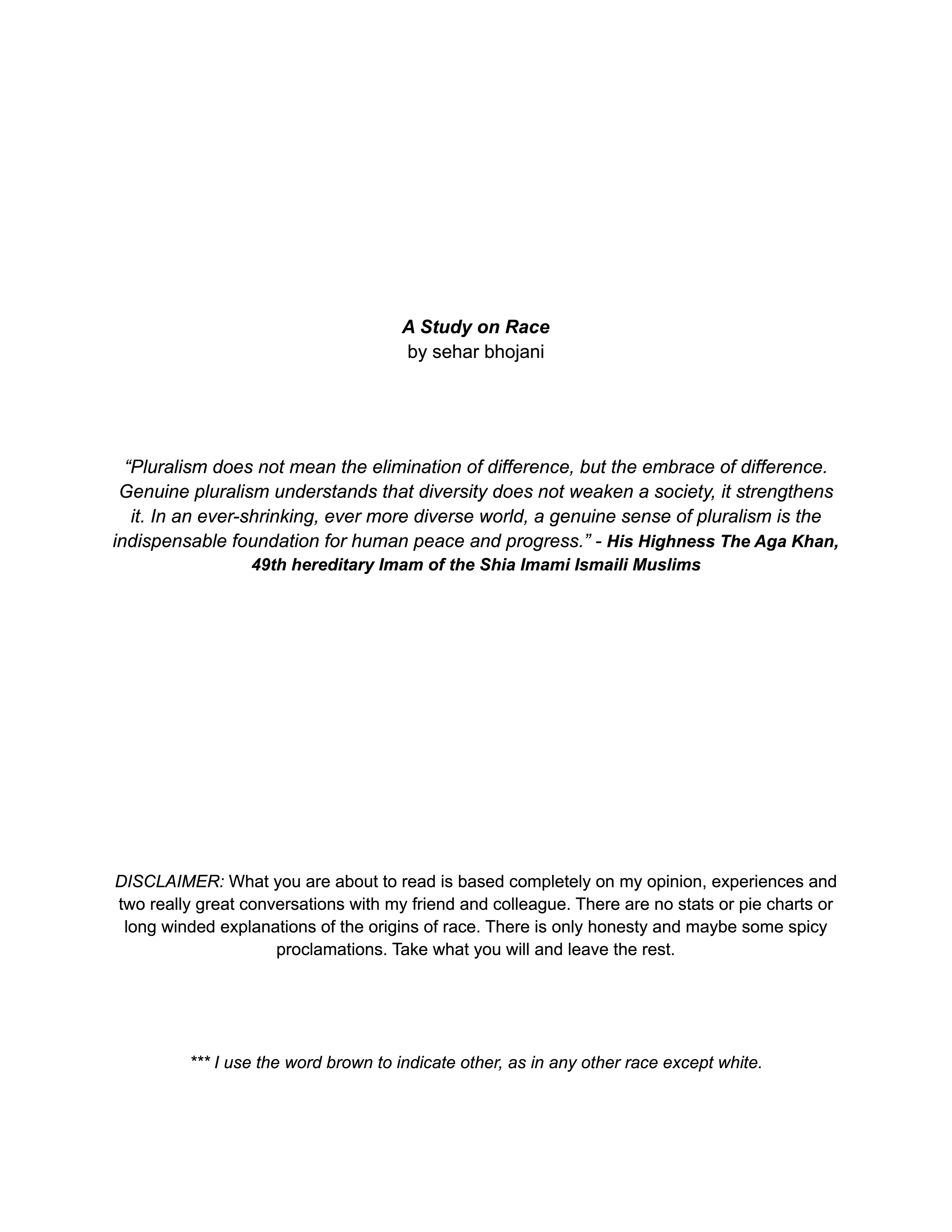
As part of the APT Peer Conversation Project, Sehar Bhojani meets with interdisciplinary artist Saba Akhtar, for a conversation and a rumination on race within theatre and storytelling.
As part of the APT Peer Conversation Project, Sehar Bhojani meets with interdisciplinary artist Saba Akhtar, for a conversation and a rumination on race within theatre and storytelling.



APT Peer Conversations: Rinchen Dolma x Lucy Coren
As part of the APT Peer Conversation Project, Rinchen Dolma, a past alumni of our APT program speaks with Lucy Coren (theatre producer, creator and dramaturg) about her producing practice and how she came to producing community-based creation. While they converse, the two brainstorm about community engagement on a jam board and even have a budget building jam session.
As part of the APT Peer Conversation Project, Rinchen Dolma, a past alumni of our APT program speaks with Lucy Coren (theatre producer, creator and dramaturg) about her producing practice and how she came to producing community-based creation. While they converse, the two brainstorm about community engagement on a jam board and even have a budget building jam session.
Trigger warning: Includes the sound of chewing. Caution for those with misophonia.


Paprika's 22/23 Hot Topic Series: You're Not Lucky, You're Bleeding
I’ve never seen anyone’s eyes bulge out of their head harder than when people find out a queer Chinese-Canadian interdisciplinary performance artist just completed a Metcalf internship… In 🥳Executive Direction🎉.
Sorry to the national theatre ecology, but I’m just not built for that life. And I have nothing but respect to those with the patience and stamina who do. Still, despite my emotionless break-up with arts administration, I watched the recorded session of the Paprika Festival’s third Hot Topics series What can the future of Toronto Theatre Look Like? as if I was consistently checking on an ex to see how they were doing.
This is the third blog in a series of Artist Responses to Paprika’s 22/23 Hot Topics series. In this post, interdisciplinary performance artist and arts worker Stephanie Fung provides a personal response to the ‘What can the future of Toronto Theatre look like?’ online conversation.
I’ve never seen anyone’s eyes bulge out of their head harder than when people find out a queer Chinese-Canadian interdisciplinary performance artist just completed a Metcalf internship…
In 🥳Executive Direction🎉.
Sorry to the national theatre ecology, but I’m just not built for that life. And I have nothing but respect to those with the patience and stamina who do. Still, despite my emotionless break-up with arts administration, I watched the recorded session of the Paprika Festival’s third Hot Topics series What can the future of Toronto Theatre Look Like? as if I was consistently checking on an ex to see how they were doing.
Led by Cheyenne Scott, this round table features four artistic directors in their first official year of leadership, including Cameron Grant (Shakespeare in Action), Mel Hague (Factory Theatre), Joelle Peters (Native Earth Performing Arts), and marcel stewart (bcurrent performing arts).
There’s no one path that led to their positions in leadership. “All of us, as artists, take on a sense of leadership in every project that we do […]” Hague illustrates. “There’s something about marshaling audiences [and just choosing to be in this industry] that requires all of us to stand up in front of an audience and lead them in some way.”
It just so happened that company jobs were better suited for the rhythm they wanted to create in their life, and getting situated in one place provided the ability to immerse themselves with the team, their values, and their goals.
While these bright leaders have creative and ambitious ideas, upon arrival, they are often met with the realities of what their first year will look like. And that’s not necessarily a bad thing.
No amount of research, planning, or imagination makes you immune to the limitations of money, time, and people.
But there’s a grace period for these artists to acclimate to their new positions through the inheritance of their predecessor’s programming. In Grant’s experience, “That gives you both the time to learn about the organization as things are moving, and start putting your own ideas on the timeline that’s running ahead.”
Amongst the panelists, there are recurring sentiments about maintaining a work-life balance and the pressure as a newcomer to honour the space you’re entering in a way that doesn’t replicate whatever came before you. Former Factory AD Nina Lee Aquino’s committed attendance as an audience member was a critical and personal way for her to support the community she’s a part of, but Hague prefers the intimacy of getting to know artists over coffee. Everyone’s different capacities and preferred avenues of connection and community engagement have their own unique value.
With this massive upheaval in how we understand leadership and collaboration, it feels like the industry is catching up to what artists like myself have been trying to curate for years! And it excites me to see others engaging in the same work, with the same care I aim to bring to the table.
So why do I still find it difficult to imagine their dreams and visions for the future of theatre in Toronto without incredible cynicism?
Every arts organization is knee deep in the mud pit, wrestling each other for the same $20, and we’re still desperately recovering from the structural impact of COVID-19. But collectively, there’s such a focus on where we want to be that we’re not paying attention to where we are or how we’ll even get there.
The pandemic didn’t only interrupt ticket sales and production runs. Our increased dependency on streaming and social media has drastically changed our relationship to art from engagement to consumption. Unprecedented circumstances discourage a willingness to take risks with time or money. And with a rise in automation, the definition and understanding of ‘labour’ has never been more contested.
Theatre, in Toronto, has failed to address any of this. Or maybe the panelists ran out of time (60 minutes is a tight timeline to save the world).
I want to hear concrete steps to implement a shorter work/rehearsal week or support more homegrown works, and not just a desire to do so. I want to see outside-the-box approaches to attract new audience members and increase attendance. I want to know there is a leader who will actively consider and involve technicians and other theatrical cavalries in their artistic and organizational decision-making.
I’d also love to see an artistic leader physically fight a politician for the funding the sector deserve, or at least, against the policies that increase the cost of living and decrease the quality of life in the city. But the core of that curiosity is simply a hunger for a strategy that is tangible, straightforward and visceral. We can’t holistic workshop our way out of burnout or an operational deficit.
Sometimes the desire we have to do what we love clouds our judgment in recognizing what we’re willing to put up with. Sometimes it’s easier to tell ourselves we’re simply lucky instead of mopping up the blood, sweat and tears we’ve poured into our careers. Sometimes we’re so used to bleeding, sweating and crying that we can’t imagine an alternative method of progress.
Unfortunately, I was cursed with the inability to take a back seat in decision-making and an incompatibility with a 9 to 5. In truth, I burned out every other month of my Metcalf internship. It was an incredible hands-on learning experience and I loved everyone I worked with, but I get why so many people have recently left the industry.
Across Toronto, I witnessed a higher turnover rate with theatre companies in the last year than when my multi-hyphenate title also entailed “server-vaccination passport agent” during the peak of the pandemic. I don’t believe for a second that most artistic leaders have taken the time to reflect on, or respond to, the needs and abilities of the people who keep their organizations running–artists, arts workers, and audiences included.
What this Hot Topic session presents is an existing impulse for this kind of change. But as an industry, reputation is a currency we haven’t learned to harness. People in the city already have a desire to attend an artistic experience that’s only available for a limited time! Toronto is full of gimmicky immersive experiences and word-of-mouth based event organizers that have no issue selling tickets–there’s a cool factor about their attendance. It’s high time someone paid attention to a demographic of audiences that aren’t the people who make theatre, or the people who fund it.
I wonder what it’ll take for us to stop seeing and making theatre out of obligation instead of excitement. I think these panelists might already be on the way.
Special thanks to Columbia Roy and Paul Smith.


APT Peer Conversations: Tsholo Khalema x Jan Alicia Jennings
As part of the APT Peer Conversation Project, Tsholo Khalema meets with Jan Alicia Jennings (Singer, Playwright, Poet, Songwriter, Visual Artist, Art's Facilitator, Dramaterg and Comedian) to discuss creation, art, digital spaces + more in a series of three conversations.
As part of the APT Peer Conversation Project, Tsholo Khalema meets with Jan Alicia Jennings (Singer, Playwright, Poet, Songwriter, Visual Artist, Art's Facilitator, Dramaterg and Comedian) to discuss creation, art, digital spaces + more in a series of three conversations. You can see all of the responses that have been released to date and read more about the ATP Peer Conversations Project here.
Conversation #1


APT Peer Conversations Project: Maricris Rivera x Kodie Rollan
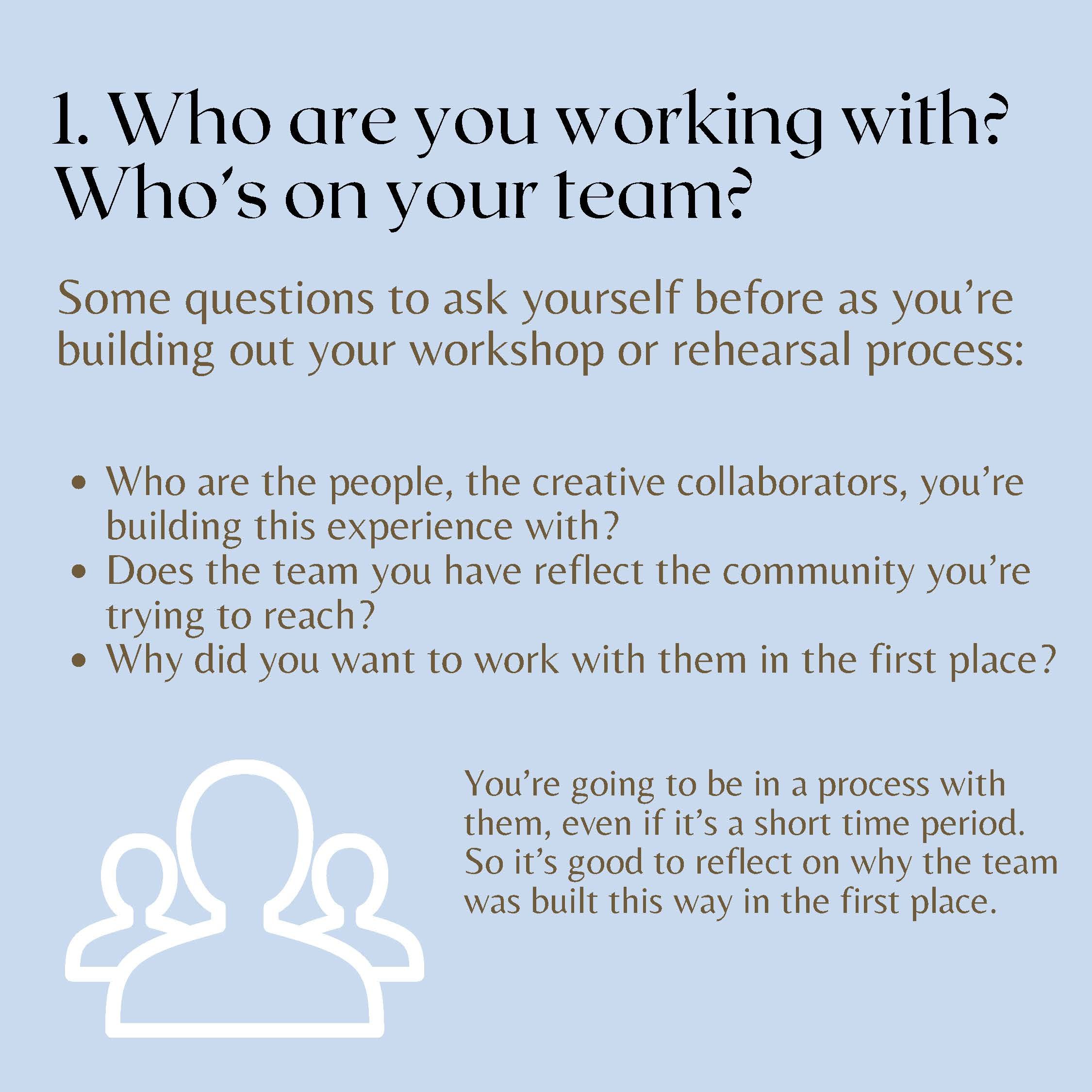
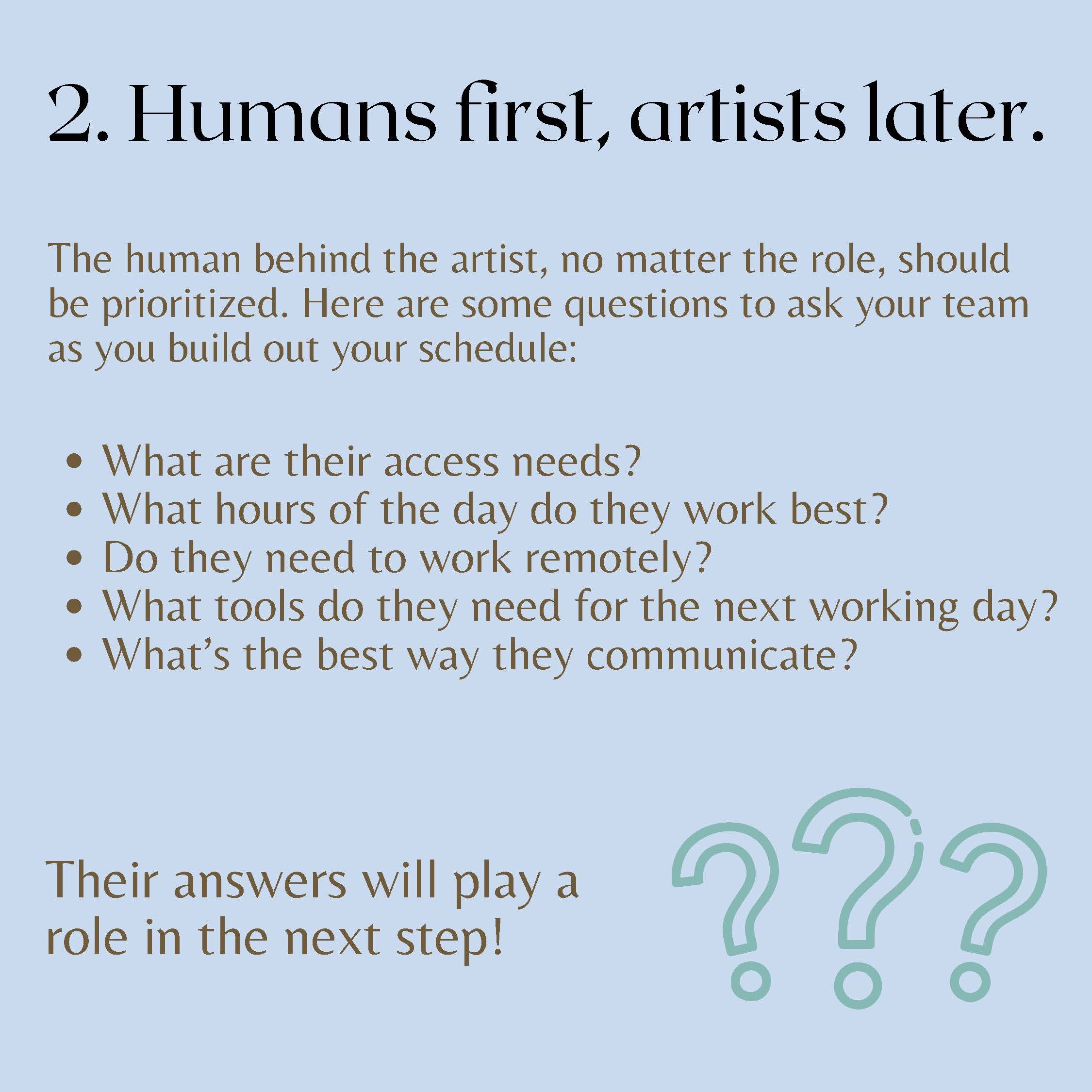
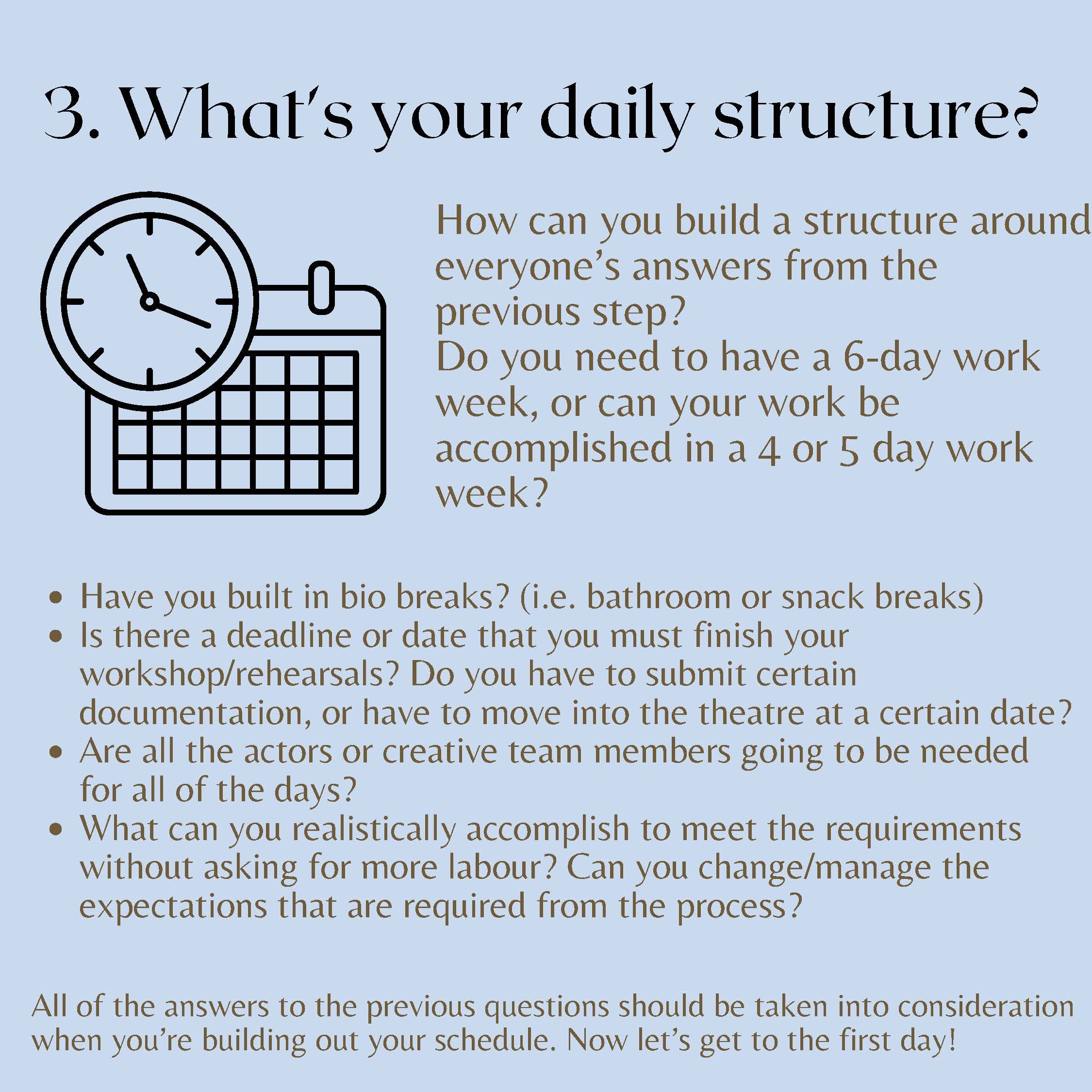
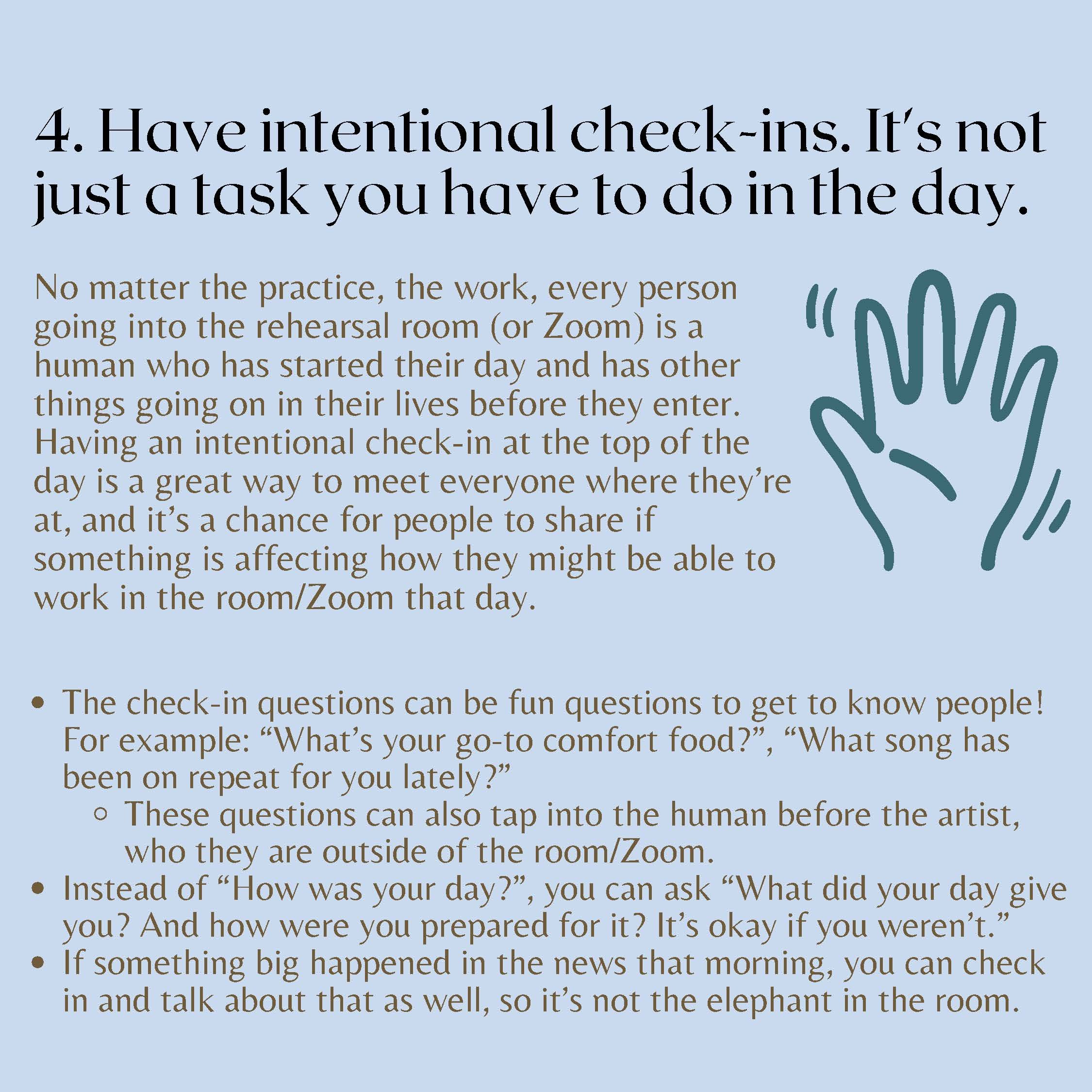
As part of the APT Peer Conversation Project, Maricris Rivera speaks with Kodie Rollan (Artistic Director, Chromatic Theatre) to unpack ways to minimize harm in the creative process and value humans first, before the art.
As part of the APT Peer Conversation Project, Maricris Rivera speaks with Kodie Rollan (Artistic Director, Chromatic Theatre) to unpack ways to minimize harm in the creative process and value humans first, before the art.
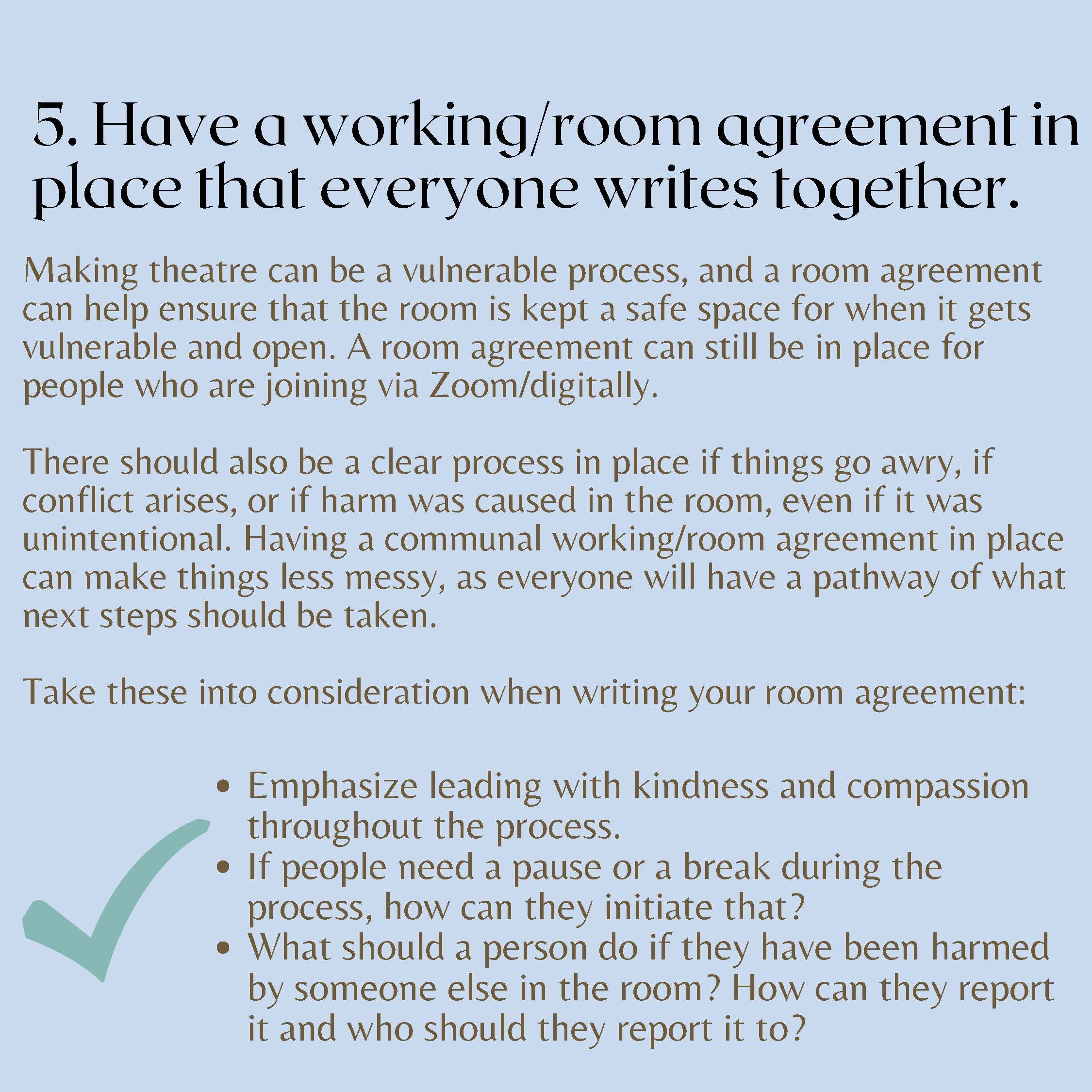


Illustrated response to What Happens When People Leave?
This is the fourth post in a series of artist responses to the Get on Board: Workshop and Speaker Series by the Creative Champions Network, an initiative of the Toronto Arts Foundation. As a co-creator of the series in 2022/23, Generator has engaged Artist Responders to attend each session, to summarize, reflect and respond to the emerging conversations and activities.
This is the fourth post in a series of artist responses to the Get on Board: Workshop and Speaker Series by the Creative Champions Network, an initiative of the Toronto Arts Foundation. As a co-creator of the series in 2022/23, Generator has engaged Artist Responders to attend each session, to summarize, reflect and respond to the emerging conversations and activities. In this post, Julianna Bandz (visual artist and graphic designer) reflects on the What Happens When People Leave session on April 4th, 2023. This is one of two reflections on this session. Find an alternative perspective from Shannon Litzenberger here.
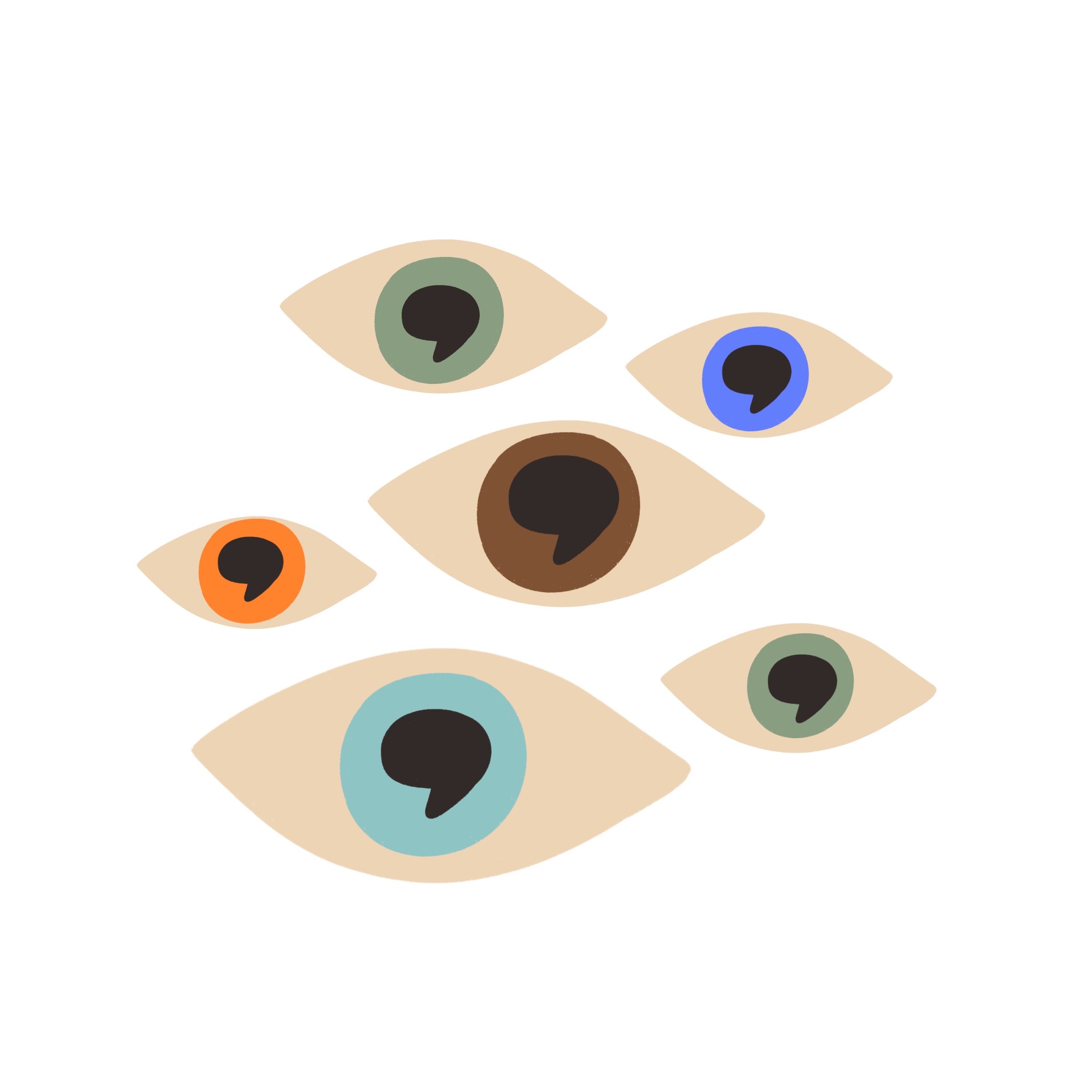



New Leadership for a New World: Reflections on What Happens When People Leave?
This is the third post in a series of artist responses to the Get on Board: Workshop and Speaker Series by the Creative Champions Network, an initiative of the Toronto Arts Foundation. As a co-creator of the series in 2022/23, Generator has engaged Artist Responders to attend each session, to summarize, reflect and respond to the emerging conversations and activities.
This is the third post in a series of artist responses to the Get on Board: Workshop and Speaker Series by the Creative Champions Network, an initiative of the Toronto Arts Foundation. As a co-creator of the series in 2022/23, Generator has engaged Artist Responders to attend each session, to summarize, reflect and respond to the emerging conversations and activities. In this post, Shannon Litzenberger (dancer, choreographer, director & facilitator) reflects on the What Happens When People Leave session on April 4th, 2023. This is one of two reflections on this session. Find an alternative reflection from Juliana Bandeira here.
Facilitating leadership transition is one of the key responsibilities of any non-profit board. In this moment of accelerated social and cultural transformation, what are the leadership models and practices that will lead us toward a positive future aligned with our collective thriving?
In listening to the distinctive experiences of three arts organizations undergoing leadership transitions, I was struck by how leadership changeover offered opportunities to reorient and experiment with new processes and models. I was also heartened by the attention paid to carrying forward positive legacies (change doesn’t mean throwing the baby out with the bathwater), while letting go of models and practices not aligned with the emerging future.
I will summarize my reflections in three parts.
First, leadership transition is offering an opportunity to experiment with new hiring practices and models of leadership.
As we heard from all three organizations, leadership transition offered the opportunity to try something new. In the case of Native Earth, the near simultaneous departure of longtime artistic and executive leadership Keith Barker and Isaac Thomas gave way to the hiring of Joelle Peters and Himanshu Sitlani - two new, developing-in-their-role leaders buttressed by a support circle comprised of experienced leaders in the arts community, available to provide guidance and share learning.
For The Toronto Consort, flutes player Alison Melville spoke of an emergent model of Artistic Associates (there are eight of them!) that has been adopted following the departure of founding Artistic Director David Fallis. The decision to distribute artistic leadership among associates rather than enter into a hiring process is allowing for the preservation of specialized artistic knowledge already present within the organization, while carrying forward a valued (but atypical) legacy of collaboration established by Fallis.
For Generator, attention to the hiring process itself was the first consideration in their approach to a new co-leadership model, motivated by problematic and extractive executive hiring practices experienced by board and staff leadership through their careers. In a re-imagined search process, Generator aimed to serve the leaders they wanted to attract, engaging in a way that was respectful of their time, their intellectual contributions, and with a mindfulness toward the power dynamics at play during executive search processes. Importantly, this work became a sharable resource for the field, allowing other organizations to model their success.
Second, leadership can successfully shift away from heroic models toward co-creative models, if we give time for learning, experimentation and risk-taking.
Early in my career at the tender age of 23, I was hired into a significant leadership role at a small but fast-growing national arts service organization where I was supported by several mentors who guided my development. At that time, I wasn’t ready to take on the role without support. This on the job experience was invaluable to me, accelerating my growth as a leader both through their ongoing counsel and through the connections they facilitated in the field.
The community-based support circle model in place to support Joelle and Himanshu at Native Earth offers similar benefits, ensuring that as new-to-their-role leaders are learning, they have strong guidance and a robust support system. With the right balance of offering support and agency to new leaders, advisories can impart something better than skills and knowledge, they can offer the wisdom of experience and confidence-building encouragement as leaders are learning into their potential.
Likewise, Kristina Lemieux and ted witzel at Generator note that over the past eight years, the company has been learning its way into a new business model, moving toward producer training in a paradigm where more often than not, models of production for live performance are no longer ‘one size fits all’ but ‘one size fits one’. Experimentation has been paramount here, sometimes involving trial and error, but always avoiding the wholesale replication of existing systems. Kristina notes that the board’s higher than average risk tolerance was critical to the shift toward a new model.
How can boards better support learning through doing? This kind of experiential development holds tremendous potential to mobilize imagination and emergent possibilities.
Third, if we want strong and sustainable leadership, we need to stop sacrificing people in the name of organizational preservation and mission realization.
Perhaps one of the outstanding features of the capitalist system at this moment is the extent to which it is willing to generate profit at all costs. Even in the non-profit sector, including in the arts, we regularly achieve at our own expense, modeling the toxic aspects of our society we are often simultaneously trying to transform.
I was heartened to hear the ‘small and mighty tired’ workforce addressed by ted at Generator who is working to re-model organizational processes in ways that balance the health of people with organizational needs and capacity. There are so many cultural and structural reasons that motivate the perpetuation of burnout in the non-profit sector that I won’t get into here. However, I will say that uncoupling from this deeply conditioned habit is challenging. The key to lasting change just might be in how we understand what ‘leadership’ means and how we do it.
Leadership in any arts organization, whether solo or collaborative, carries a tremendous burden of responsibility. When that responsibility is unreasonable (ie- a recipe for stress and burnout) and unsupported (ie - isolating and hierarchical), we bleed out talent from our field and struggle increasingly to fill leadership positions. The shared and community supported leadership structures in all three organizations aim to spread responsibility and care, allowing for more sets of shoulders to carry the proverbial load.
While our workforce is highly motivated by the mission of the arts, it’s unacceptable for boards to exploit that motivation with below average wages coupled with unrealistic expectations of work output. As a sector, we are too often failing to protect a basic state of wellness for artists and arts workers. And we’re often doing it because we are trying to maintain activity while balancing budgets.
What can we reasonably ask of leadership in the arts? What is an organization’s responsibility to the wellbeing of its people? I was encouraged by Alison’s comments at The Toronto Consort who signaled that the development of people, whether they stay or leave, is, in and of itself, a positive outcome. Positive experiences help retain talent in the field.
If we thought about the arts less as a system that produces culture, and more like a project of human growth and development, we might find ourselves centring new leadership values inside our organizations as well as in our public facing endeavors, as these three organizations are demonstrating.
Leaders model the worlds they are working to bring into existence. Organizations can too.


APT Peer Conversations Project: Ryan G. Hinds x Julie Tomaino
JT: “You have to ask for what you want. You can’t just
sit around and expect that everyone’s gonna be like
‘Oh, Julie Tomaino you should do this’. It doesn’t work
that way. There’s too many people in this industry,
especially if you’re an emerging artist, not to be clear on
your goals”
As part of the APT Peer Conversation Project, Ryan G. Hinds meets with Julie Tomaino to discuss artistic visioning, pushing through, and change making in the performing arts. You can see all of the responses that have been released to date and read more about the ATP Peer Conversations Project here.
Ryan G. Hinds x Julie Tomaino
Director, Choreographer, and Former Performer Julie Tomaino and I have worked
together twice, both times with her as Choreographer and me as Actor. In our
conversations for Generator, we covered a lot of ground, named a lot of names, and
spoke openly about our successes and challenges.
On Having A Clear Artistic Vision
JT: “You have to ask for what you want. You can’t just sit around and expect that everyone’s gonna be like ‘Oh, Julie Tomaino you should do this’. It doesn’t work that way. There’s too many people in this industry, especially if you’re an emerging artist, not to be clear on your goals”
RGH: “I wish schools would be more honest and say ‘there’s no work out there and there’ll be a bunch of you going for a handful of jobs’. You have to know how to push for an opportunity you believe in, or know how to make your own opportunities.”

Photo of Ryan and Julie provided by the artists
On Pushing Through
JT: “I can hear ‘no’ a thousand times and still say ‘...but what about?’ I have so much persistence and resilience.”
RGH: “I find it really hard to let go of challenges and ‘No’. If something doesn’t happen, I’m going to keep trying and keep trying to make it happen in the way that I want it to.”
On How To Be A Change-Maker
JT “That’s how you incite change: playing the game until you’re in a position where you can make structural change. Every time I have a little ounce of power to make a tiny bit of change, I make little steps towards the industry being a bit better.”
RGH: “Big changes don’t happen overnight, but there’s more and more of them happening because more and more of us are getting into these positions that affect the decision-making. We’re not just artists anymore.”


APT Peer Conversations: Jordan Campbell x Andrew Tay
Toronto is hardcore
conservative
intense
hustle
back-to-back-to-back-to-back-to-back
As part of the APT Peer Conversation Project, Jordan Campbell meets with Andrew Tay (Artistic Director, Toronto Dance Theatre) to discuss and ultimately question the systems/frameworks of production in theatre/dance in Toronto. You can see all of the responses that have been released to date and read more about the ATP Peer Conversations Project here.
Toronto is hardcore
conservative intense hustle
back-to-back-to-back-to-back-to-back
What is a producer?
The person who makes things happen. The person who gets the money and controls the money.
supporting development making opportunities for artists
hiring people programming artists
In Europe, producers act like agents, representing the show.
ARTIST - PRODUCER RELATIONSHIP
who is being programmed at this event? does the producer trust me?
do I have creative freedom?
do I have the information I need?
do I want more support in my process? are they open to what I want to try? why am I here?
speak the language of the people you’re working with
“Think: festival” “You won’t get the performer’s music until a few hours before the show”
“What CAN’T I do in this space?”
“I’ve done this before”
SCHEDULING
the new generation is talking about ways to avoid burnout
4-day work weeks
spread out tech weeks
split tech schedules in a shared space
boundaries around checking emails
paid weeks off after a project
how do we take a break? how do we get away from the work?
when are we working?
Boundaries
when will I check my email? what needs to be done today?
how many shows can we do in a row? how long can we tour?
when do I need a day off?
I DON’T WANT TO WORK ON SUNDAYS
intensive work periods
s l o w d e v e l o p e m e n t s
Low investment - High payoff
What if someone isn’t available to tour?
first right of refusal
royalty fee are we willing
to do this without them?
saying NO
does my work belong here? is it worth it?
what work will this entail?
what if my NO means a NO for others?
shows that other artists can be thrown into shows that create a container which can tour shows with small, tight teams
shows with huge installs and big international teams
bigger budgets, bigger stars, bigger problems When things get more expensive, will the politics of the piece align with the spaces that can afford them?
cool
WHAT MAKES SOMETHING COOL?
it’s outside the status quo
there’s a mythology around it
it’s a special thing, not everyone knows it a group resonates around it
ease
don’t try too hard
going with the flow
is something NEW or DIFFERENT going to happen?
am I going to meet new people? will the space be comfortable, exciting, sexy? will people be taking risks at this event?
maybe live performance isn’t cool anymore
do people want to go outside their scene and try something new? what if the show makes people uncomfortable?
HOW MUCH DO PEOPLE WANT TO KNOW
about what’s going to happen?
AUDIENCE PARTICIPATION
interaction
what are we getting ourselves into? I don’t want to trick the audience how do we maintain surprise? embodied consent
giving options
CONTENT WARNINGS
trigger warnings how are they worded? when do you receive them?
is nudity offense? are the sounds really that loud? what is my responsibility?
do I want to see this?
how long is it?
ARE YOU THIRSTY TO TOUR?
practice talking to people about your work
short exciting specific to the other’s interests invite people to little showings
showcases
events
parties
community
not just selling one show… talking about your whole practise
it’s a long game
The CONTEXT of a show is important does the producer understand?
“MAYBE DO THIS AS A HALLOWEEN EVENT”
can we still hold space for risks as the stakes get higher?
safe choices are easier
if you’re going to take risk, you have to be okay with the results
if you give yourself a challenge, expect it to be hard
how much capacity do you have for this risk? do we have the right resources?
who does? is someone going to get hurt?
why are we doing this?
What makes a successful art piece?
What makes us happy?